
Rediscovering the Classroom, the Cultural Way
In a modest government school on the outskirts of Tumakuru, a group of children sit cross-legged around an old man with a flowing white beard. He doesn’t teach math or grammar. He tells a story — of a tiger, a clever washerman, and a talking crow. The children laugh, lean in, ask questions. What they’re learning isn’t on the syllabus, but it’s what keeps them coming back the next day.
This is Samskruthi, a Vikasana Foundation initiative that brings folk tales, local arts, and forgotten traditions into schools to make education meaningful, rooted, and joyful.
Why Culture Matters in Education
Dropout rates in government schools often stem from boredom, lack of personal relevance, and disconnect from real-life experiences. Samskruthi addresses this by turning classrooms into cultural ecosystems where every student sees their own history reflected.
When a child learns that a Yakshagana performer comes from their village…
When a teacher invites a grandmother to narrate a folk legend she grew up hearing…
When students create dolls out of millet husk for a puppet show…
…it ceases to be “just school.” It becomes personal.
What Samskruthi Looks Like on the Ground
| Program Element | Description |
|---|---|
| Katha Sabha | Storytelling circles based on folk and tribal tales of Karnataka |
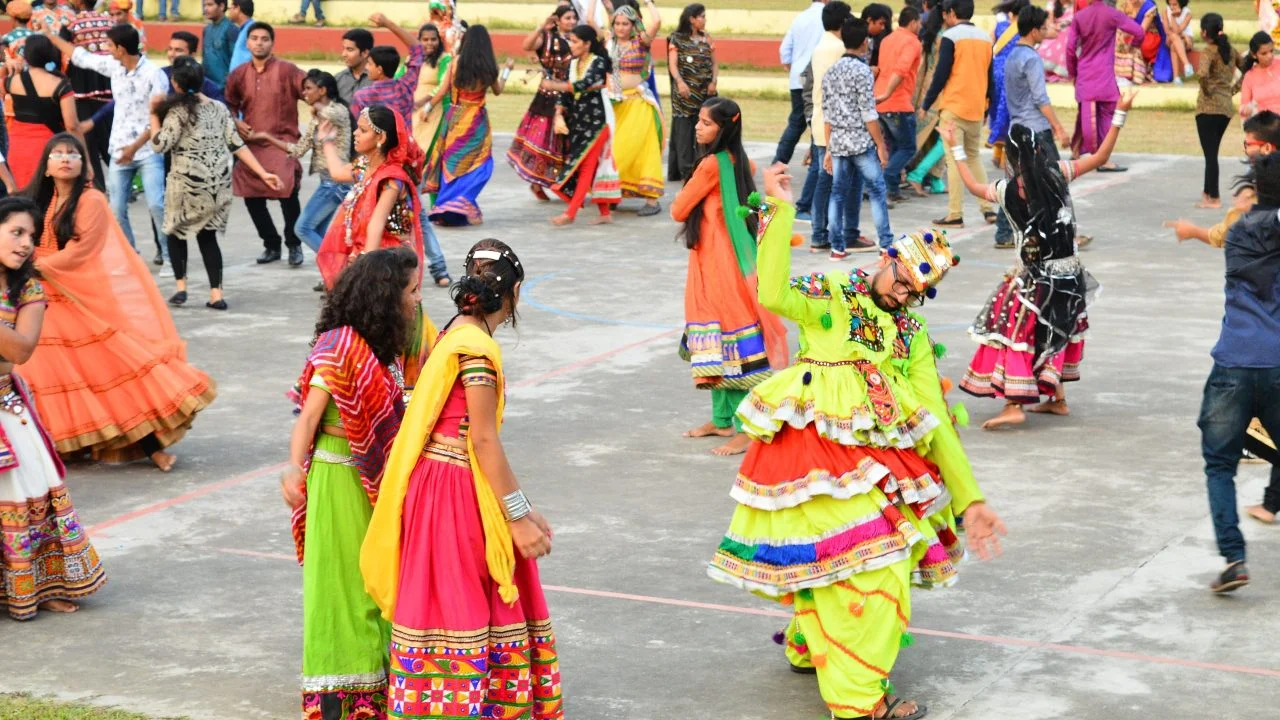
| Kala Dinotsava | Monthly celebration of a native artform — from Kolata to Kinnari Jogi music |
| Guru at Home | Community elders are invited to share wisdom through talks and demos |
| Puppet Pedagogy | Life lessons taught through handmade puppets and local mythologies |
| Craft-for-Concepts | Maths, science, and language concepts taught through culturally rooted crafts |
The curriculum is flexible, hyper-local, and emotionally resonant. And the change is visible — in smiles, questions, attendance sheets, and report cards.
Measurable Impact
- Dropout reduction by 27% in participating schools over 2 years
- 91% of teachers reported higher classroom engagement after Samskruthi sessions
- 3x increase in student-led cultural presentations during school events
- 80% of parents said they felt more connected to the school post-initiative
- 52 guest elders have participated in school activities since the program began
Voices from the Field
“Earlier, students wouldn’t speak up in class. Now, they act, narrate, even argue during stories. Their confidence has grown.”
– Usha Devi, Primary School Teacher, Tiptur
“My grandson came home and asked for our village’s harvest song. I’ve never seen him so curious.”
– Savitri Amma, Community Elder
“Samskruthi gave me a reason to stay in school. I want to write stories now.”
– Raghuveer, Grade 8 student
The Curriculum Beyond Curriculum
Samskruthi doesn’t replace the traditional syllabus. It complements it. When children weave mats, they understand geometry. When they script a skit, they absorb grammar. When they listen to local songs, they unconsciously pick up vocabulary, rhythm, and memory retention.
The result is a learning environment where textbooks are only one part of the story — the rest unfolds through shared heritage.
Expanding the Samskruthi Circle
Currently active in schools across Karnataka, Samskruthi is now being piloted in tribal schools in Andhra Pradesh and Maharashtra. Vikasana Foundation is also developing a “Culture Starter Kit” — a low-cost resource box containing:
- Folk story scrolls
- Puppet kits
- Musical instruments
- Local language flashcards
- DIY craft instructions
- Elders’ audio story archive
This kit allows even under-resourced schools to spark cultural curiosity with minimal external support.
How You Can Help
- Donate a Kit: Sponsor a Samskruthi Culture Starter Kit for ₹2,500
- Record a Story: Share regional tales from your grandparents in audio form
- Volunteer as a Trainer: Artists and storytellers can co-create content with our team
- Advocate with Schools: Help us bring Samskruthi into more districts through local education officers
- Corporate CSR: Partner with us to take culture-based learning to remote communities.
Samskruthi reminds us that education isn’t just about what we know — it’s also about who we are. When children see their culture not as a relic of the past but as a living, evolving part of their daily learning, something powerful happens. They don’t just attend school — they belong to it.
In a world racing toward standardization, Samskruthi plants the seed for something deeper: a generation rooted in identity, blossoming with imagination.