
Quick Glance
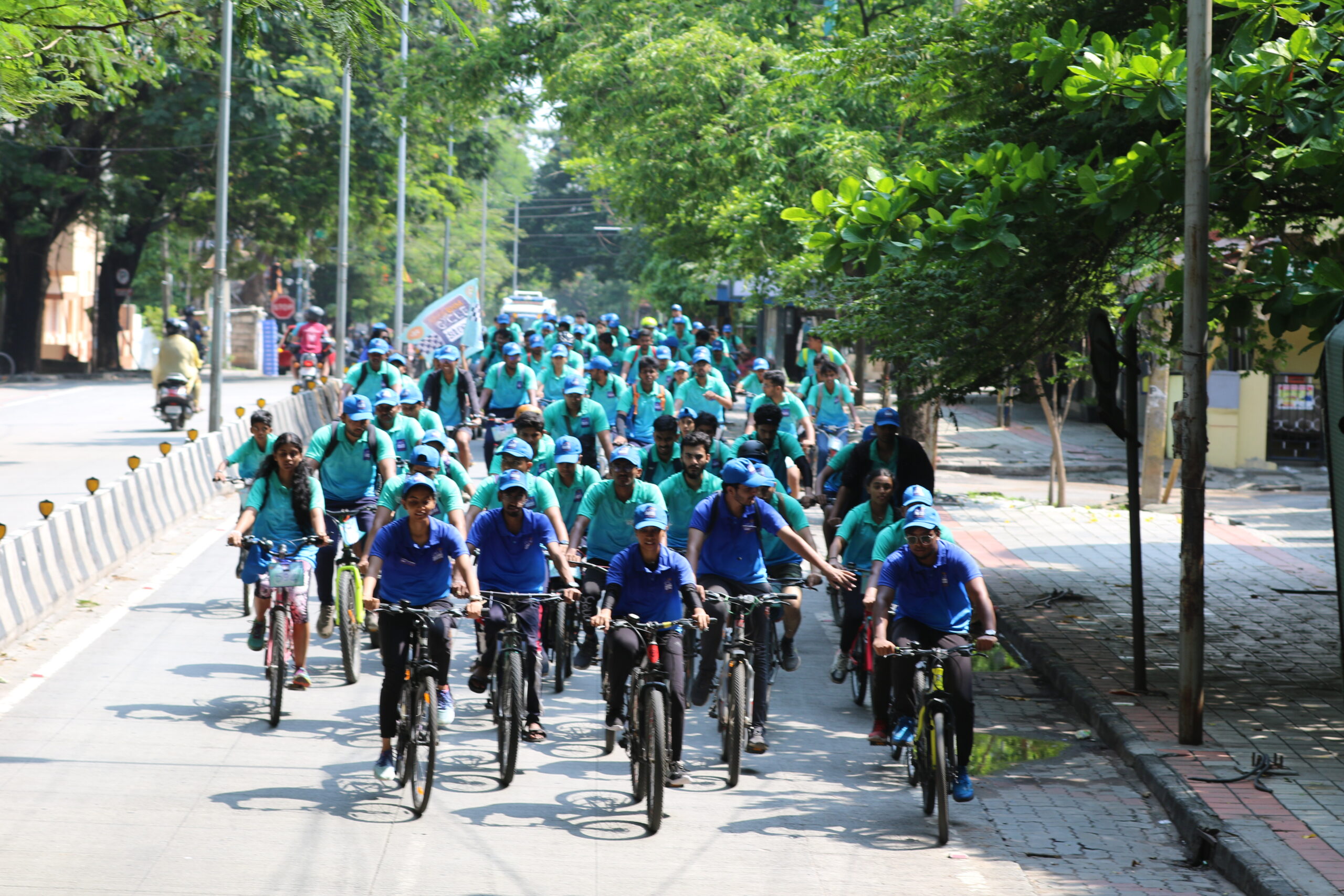
- CycleStreet began as a Sunday‑morning fun ride and has evolved into a city‑wide civic movement for cleaner air and safer streets
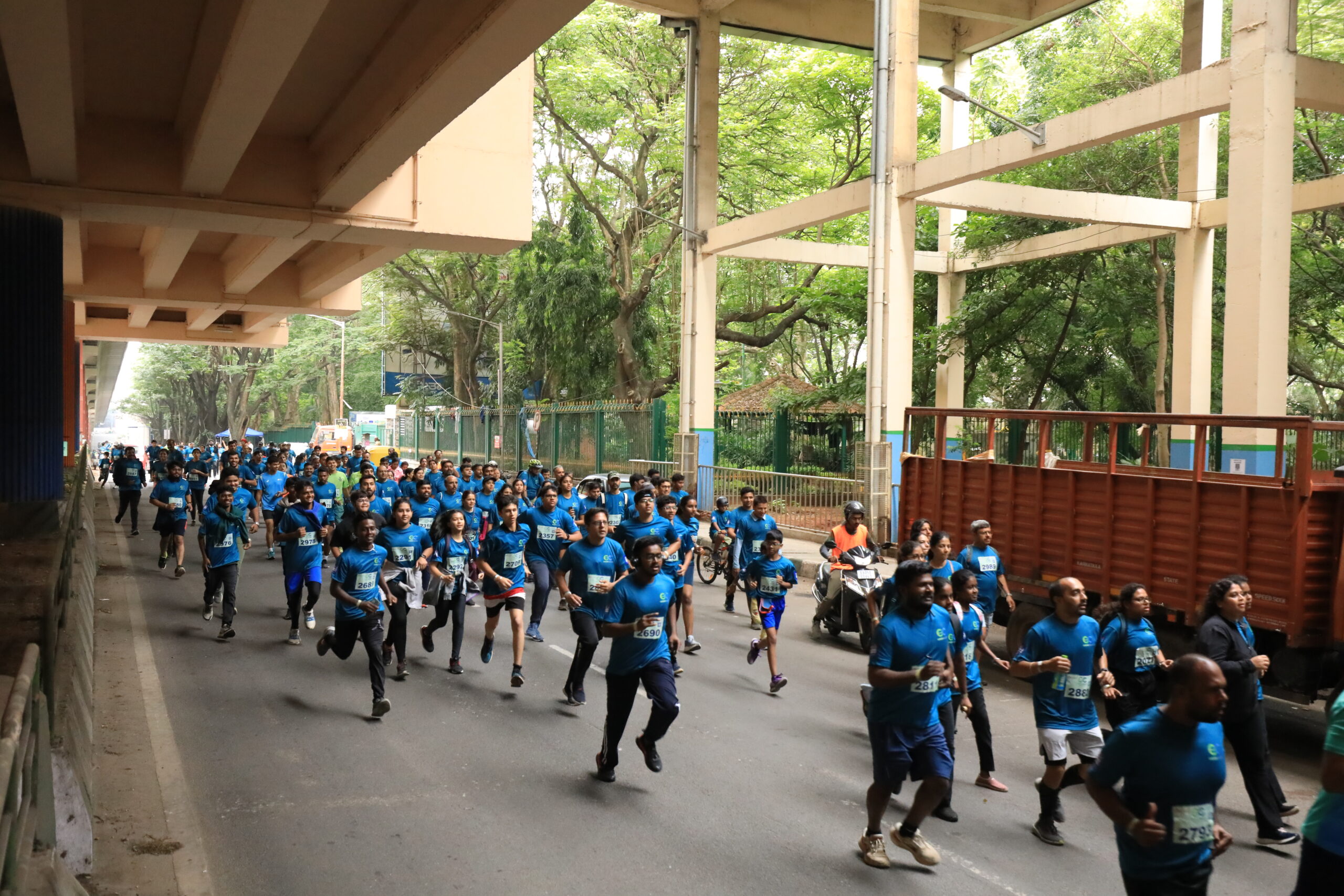
- Thousands of schoolchildren, senior citizens, and local leaders participate every month
- The campaign has already converted four kilometres of congested roadway into people‑first corridors
- Supported by Vikasana Foundation, CycleStreet blends community fitness with actionable climate action
The Birth of CycleStreet
CycleStreet started as a modest neighbourhood ride when Vikasana volunteer Karthik Menon invited a few friends for an early‑morning loop around the lake. Within weeks, word spread through local WhatsApp groups and school noticeboards. What made the ride different was its dual purpose: participants pledged to avoid motor vehicles for one full day and share photos proving their commitment. The idea resonated because it turned a casual weekend activity into a visible act of environmental stewardship.
Why Reclaiming Streets Matters
Indian cities lose an estimated fifteen percent of working hours to traffic congestion. Vehicular emissions account for more than one third of urban particulate pollution. By dedicating certain roads to non‑motorised traffic for a few hours each week, CycleStreet shows residents what a low‑carbon, people‑first city looks and feels like. Cleaner air, quieter mornings, and safer crossings create a ripple effect that encourages walking, outdoor play, and local commerce.
The People Pedalling Change
| Rider Group | Motivation | Signature Moment |
|---|---|---|
| School Students | Weekly eco‑club challenge | Flash‑mob bell‑ringing at traffic signals |
| Senior Citizens | Social bonding and gentle exercise | Sunrise tea circle after every ten‑kilometre loop |
| Working Professionals | Stress relief and networking | “Laptop Backpacks on Bikes” office convoy |
| Local Leaders | Public engagement and policy advocacy | “Mayor On Wheels” interactive Q‑and‑A ride |
The mix of ages and backgrounds breaks social silos, fostering conversations that rarely happen inside cars.
Impact Metrics So Far
- 57 rides organised across three districts
- 14,200 kilograms of carbon dioxide emissions avoided (calculated via MyClimate tracker)
- 4 km of main road now permanently marked with a weekday‑only cycling lane
- ₹6.2 million raised for roadside tree‑planting and cycling infrastructure
- 3 colleges integrated CycleStreet credits into their environmental‑science curricula
Behind the Scenes: Organizing a Ride
- Route Mapping: Volunteers cycle the route at dawn, noting potholes, blind turns, and shady rest spots.
- Permissions & Police Briefing: The team submits a no‑objection letter to the traffic division, outlining crowd size, barricade points, and first‑aid stations.
- Community Outreach: Posters at kirana stores, Instagram reels, and school circulars spread the word.
- Logistics: Water dispensers, tyre‑inflation booths, and a mobile first‑aid van ensure safety.
- Data Collection: QR‑code check‑ins help track participation and gather feedback for the next ride.
How Schools and Seniors Drive Participation
Schools embed CycleStreet into their Friday morning assemblies, where eco‑club captains share last week’s ride highlights and announce fresh challenges. Students often persuade parents to join, turning the event into a family ritual. Senior citizens, meanwhile, create a dependable backbone of experience and encouragement. Their steady pace sets an inclusive tempo, and their life stories offer younger riders a living history lesson.
Civic Leaders Join the Journey
Local councillors, district collectors, and police chiefs regularly attend CycleStreet rides to experience traffic‑free streets firsthand. Their participation brings legitimacy and accelerates policy shifts—such as temporary road closures on festival days and installation of reflective lane markers funded through municipal budgets.
From Local Buzz to National Movement
Inspired cities in Maharashtra, Karnataka, and Gujarat have requested CycleStreet playbooks. Vikasana Foundation now hosts monthly webinars for city planners and civil‑society groups, sharing templates for volunteer recruitment, sponsorship pitching, and impact tracking. The long‑term vision is a nationwide “Green Sunday” where every Indian city reserves one arterial road for cycling and walking.
How You Can Support CycleStreet
- Join the Next Ride: Register on Vikasana.org in less than two minutes
- Adopt a Kilometre: Pledge ₹5,000 to fund signage, road paint, and saplings
- Corporate Partnership: Sponsor helmets or reflective jackets with your logo
- Spread the Word: Share your ride photos with the hashtag #CycleStreetIndia
- Volunteer Skills: Graphic designers, data analysts, and event marshals are always welcome
Frequently Asked Questions
Q1. Do I need my own bicycle to join?
CycleStreet partners with local rental shops that offer free or heavily discounted bikes for the first hundred registrants. Early sign‑up guarantees availability, while walk‑ins are assisted on a first‑come basis.
Q2. How safe are the routes for children and seniors?
All routes are pre‑inspected by trained volunteers and cleared by the traffic police. Barricades, marshals, and first‑aid stations are posted every kilometre to ensure quick assistance and hazard‑free riding.
Q3. What if I have never cycled long distances?
The average route covers five kilometres with multiple rest stops. Participants can turn around at any checkpoint and still receive completion certificates for their efforts.
Q4. Are helmets mandatory?
Yes. Safety remains non‑negotiable. Free helmets are provided to those unable to afford one, funded by our “Adopt a Rider” donations.
Q5. How does CycleStreet measure environmental impact?
We use a mobile check‑in app linked to the MyClimate database, converting kilometres ridden into estimated emission savings based on standard urban‑car averages.
Q6. Can companies sponsor an entire ride?
Absolutely. Corporate sponsorship packages include co‑branding on jerseys, banners, and social‑media shout‑outs, along with a sustainability impact report tailored for CSR filings.
Key Resources
- CycleStreet Playbook PDF — Step‑by‑step guide for organising your own ride
- Volunteer Handbook — Roles, responsibilities, and best practices
- Environmental Impact Calculator — Open‑source spreadsheet to estimate carbon savings
CycleStreet proves that reclaiming public space does not require massive budgets or top‑down mandates. Sometimes all it takes is a pair of wheels, a collective will, and the courage to imagine traffic‑free mornings. Every pedal stroke challenges the status quo and rewrites the story of our cities—moving them from fumes to fresh air, from gridlock to green lane. Join the revolution and ride toward a cleaner, kinder urban future.